









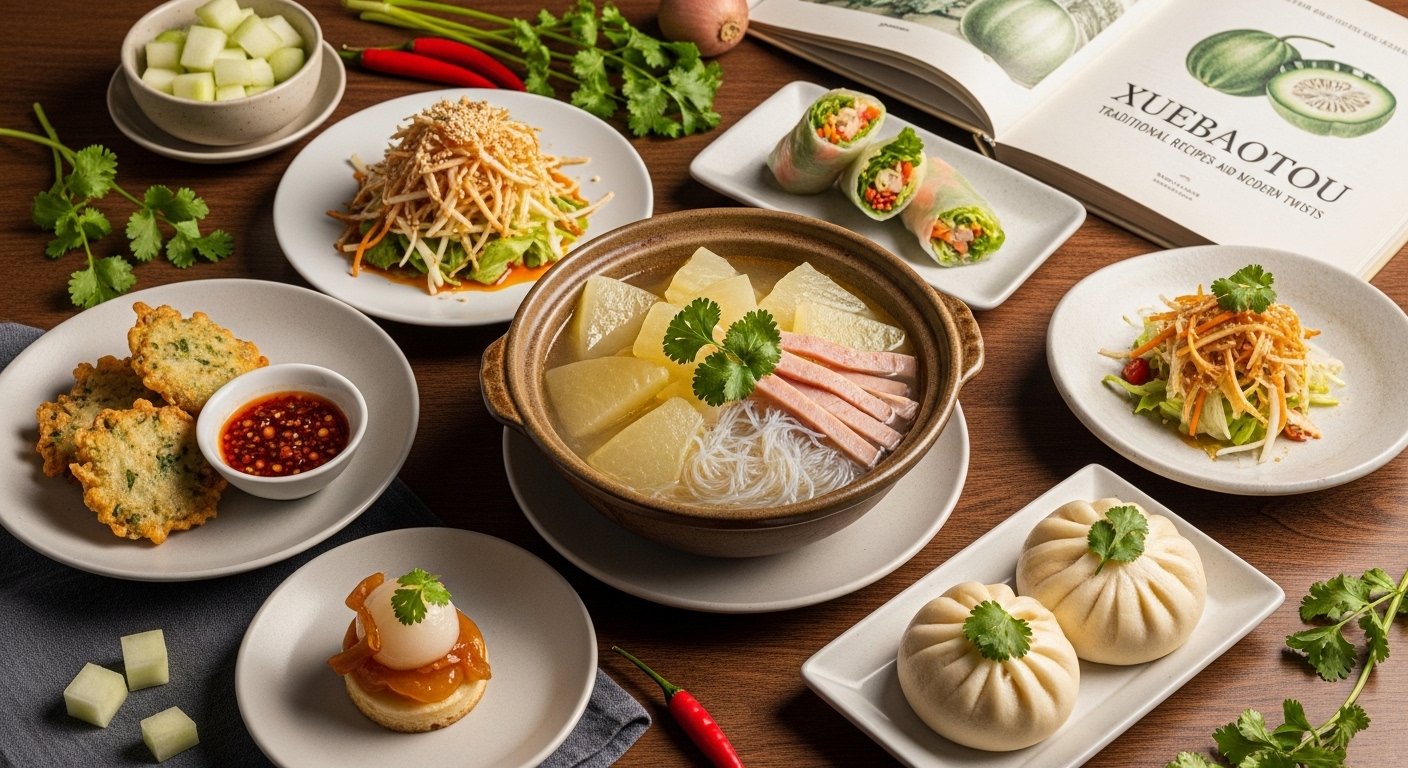
Xuebaotou is an exquisite culinary delight that has captured the hearts of food enthusiasts around the world. Combining traditional recipes with modern twists, this dish represents a unique fusion of heritage and innovation. From its origins in historic kitchens to contemporary interpretations in modern gastronomy, Xuebaotou has become a symbol of culinary creativity and cultural richness. In this article, we explore the origins of Xuebaotou, the traditional recipes that define its essence, and the modern twists that make it relevant for today’s culinary landscape. Whether you are a seasoned chef or a passionate home cook, understanding Xuebaotou opens up a world of flavors and possibilities.
The History and Origins of Xuebaotou
Xuebaotou has roots deeply embedded in Chinese culinary history. Originating in regions known for their rich gastronomic traditions, it was initially prepared using locally sourced ingredients that emphasized freshness and flavor. Traditional Xuebaotou recipes were passed down through generations, often cooked during festivals or special family gatherings. The historical significance of Xuebaotou lies not only in its taste but also in its representation of cultural identity. Ancient recipes focused on simplicity, balancing flavors such as sweet, savory, and umami. Over time, chefs began experimenting with ingredients and techniques, paving the way for modern variations that still honor the traditional essence.
Key Ingredients in Traditional Xuebaotou Recipes
Understanding the traditional ingredients of Xuebaotou is essential for appreciating its flavors. Below is a table outlining the most common ingredients along with their culinary purpose:
| Ingredient | Purpose | Traditional Usage |
|---|---|---|
| Rice Flour | Base ingredient | Used for the soft, chewy texture |
| Red Bean Paste | Sweet filling | Provides natural sweetness and richness |
| Glutinous Rice | Binding agent | Ensures proper consistency |
| Brown Sugar | Sweetener | Adds depth of flavor |
| Water | Mixing medium | Essential for dough formation |
These ingredients reflect the simplicity and elegance of traditional Xuebaotou recipes. Each element is carefully chosen to create a harmonious balance of texture and taste.
Modern Twists in Xuebaotou Preparation
While traditional Xuebaotou remains popular, chefs today are exploring innovative ways to reimagine this classic dish. Modern twists include the use of new ingredients, alternative cooking techniques, and fusion flavors. For example, chocolate, matcha, or fruit-based fillings are becoming increasingly popular. Another modern approach involves health-conscious variations, such as using natural sweeteners or gluten-free flours. These innovations allow Xuebaotou to cater to contemporary tastes while preserving the core characteristics that make it beloved.
Techniques for Perfecting Xuebaotou
Crafting the perfect Xuebaotou requires skill, precision, and attention to detail. Traditional methods emphasize slow cooking and careful kneading to achieve the ideal texture. Modern techniques, such as steaming with specialized molds or using temperature-controlled ovens, enhance consistency and presentation.
Here’s a comparison table highlighting traditional versus modern techniques:
| Technique | Traditional Method | Modern Twist |
|---|---|---|
| Dough Preparation | Hand-kneading with patience | Use of mixers for uniform texture |
| Filling Incorporation | Manual insertion | Precision piping for aesthetics |
| Cooking Method | Steaming in bamboo baskets | Steaming in silicone molds for shape retention |
| Flavoring | Natural sugars and pastes | Infusion with exotic flavors like matcha or chocolate |
These adaptations illustrate how Xuebaotou continues to evolve, appealing to both traditionalists and modern food enthusiasts.
Health Benefits of Xuebaotou
Xuebaotou is not only a treat for the palate but also offers nutritional value. Key ingredients such as rice flour and red bean paste provide essential nutrients including fiber, proteins, and carbohydrates. Modern variations often incorporate organic ingredients, low-sugar alternatives, or plant-based components, making Xuebaotou a versatile option for health-conscious consumers.
| Nutrient | Source in Xuebaotou | Benefit |
|---|---|---|
| Protein | Red bean paste | Supports muscle health |
| Carbohydrates | Rice flour, glutinous rice | Provides energy |
| Fiber | Red beans | Aids digestion |
| Antioxidants | Matcha, cocoa (modern twists) | Supports cellular health |
These benefits further explain why Xuebaotou continues to gain popularity in global cuisine.
Serving Suggestions and Pairings
Xuebaotou can be enjoyed in multiple settings, whether as a snack, dessert, or part of a festive meal. Traditional pairings include teas such as jasmine or oolong, which complement its subtle sweetness. Modern adaptations may pair Xuebaotou with fresh fruits, nuts, or even ice cream to create an elevated dining experience.
For serving inspiration, here’s a table of suggested pairings:
| Xuebaotou Type | Suggested Beverage | Complementary Flavor |
|---|---|---|
| Classic Red Bean | Jasmine Tea | Subtle sweetness |
| Matcha-Filled | Green Tea Latte | Earthy notes |
| Chocolate-Filled | Black Coffee | Rich bitterness |
| Fruit-Filled | Fresh Fruit Juice | Refreshing contrast |
These combinations enhance the enjoyment, making it suitable for diverse tastes and occasions.
The Cultural Significance of Xuebaotou
Beyond its taste, Xuebaotou is a reflection of cultural heritage. It embodies family traditions, regional flavors, and culinary craftsmanship. Modern chefs continue to honor these roots while introducing contemporary interpretations that appeal to younger generations. In festivals or family gatherings, serving is not just about flavor it is a symbol of togetherness, tradition, and creativity. The dish’s evolution highlights how food can bridge past and present, blending nostalgia with innovation.
Tips for Making Xuebaotou at Home
For home cooks, preparing Xuebaotou can be a rewarding experience. Here are some tips for creating both traditional and modern versions:
-
Use Quality Ingredients: Fresh rice flour and red bean paste yield the best results.
-
Master Dough Consistency: The dough should be soft yet firm enough to hold the filling.
-
Experiment with Flavors: Modern twists can include cocoa, fruits, or nuts.
-
Mind the Cooking Time: Steaming time impacts texture; overcooking can make it dense.
-
Presentation Matters: Shape and arrangement enhance appeal, especially for modern versions.
Following these steps ensures a delicious, visually appealing that honors tradition while embracing innovation.
Why Xuebaotou is Relevant Today
Xuebaotou’s relevance in contemporary cuisine is undeniable. It demonstrates how traditional foods can adapt to modern lifestyles without losing authenticity. Chefs and food enthusiasts worldwide are experimenting with new flavors, healthier ingredients, and creative presentations. Its global appeal lies in its ability to connect history with modernity, satisfying both nostalgic cravings and adventurous palates. represents a culinary bridge between generations, cultures, and cooking philosophies.
Conclusion
Xuebaotou is more than just a dish it is a testament to culinary evolution. By balancing traditional recipes with modern twists, it continues to captivate food lovers across the globe. From its rich history and key ingredients to innovative techniques and health benefits, embodies a unique blend of heritage and contemporary creativity. Whether you are enjoying a classic red bean-filled or experimenting with matcha and chocolate variations, this dish offers endless possibilities. Its enduring popularity is a reminder that true culinary excellence lies in honoring the past while embracing the future.