










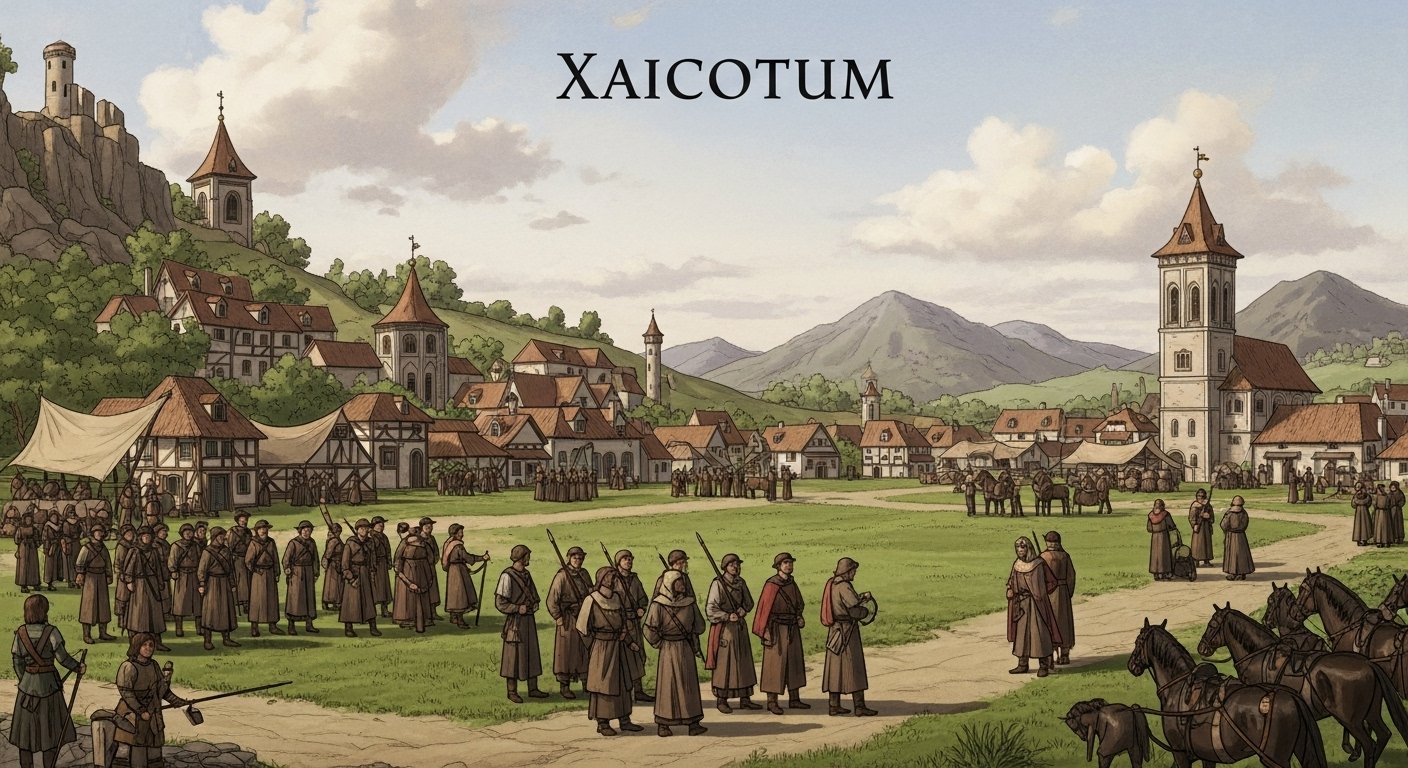
Xaicotum stands as a symbol of layered history, cultural resilience, and evolving heritage. Often described as a place where time moves in thoughtful rhythms, Xaicotum reflects the collective memory of generations shaped by tradition, adaptation, and identity. From its earliest roots to its present-day recognition, the story of Xaicotum is not just about a location or a name, but about the people, beliefs, and values that shaped its enduring legacy. Understanding Xaicotum offers a deeper appreciation of how heritage survives change while preserving its original spirit.
The Origins of Xaicotum in Early History
The earliest references to Xaicotum trace back to a period marked by oral storytelling and symbolic landmarks. Ancient records suggest that Xaicotum emerged as a settlement rooted in shared customs and cooperative living. Archaeological interpretations indicate that the region developed around natural resources, which influenced its economic and social structure.
Historical scholars believe that the name itself carried meaning related to unity and continuity, reflecting how early inhabitants viewed their connection to land and lineage. Over centuries, Xaicotum evolved through external influences while maintaining its foundational identity.
Within this early phase, historians categorize Xaicotum’s development as follows:
| Historical Era | Key Developments | Cultural Impact |
|---|---|---|
| Pre-Classical Period | Formation of early settlements | Shared traditions and oral history |
| Transitional Era | Trade and external contact | Cultural exchange |
| Classical Period | Structured governance | Identity consolidation |
These phases illustrate how Xaicotum gradually became a recognizable cultural entity rather than a temporary settlement.
Xaicotum and the Evolution of Local Traditions
Traditions in Xaicotum were shaped by necessity, belief systems, and community values. Festivals, craftsmanship, and rituals evolved organically, reflecting respect for nature and ancestral wisdom. Over time, these practices became markers of identity passed down through generations.
Artisans in Xaicotum were known for techniques that blended functionality with symbolism. Clothing, architecture, and ceremonial objects often told stories of survival and belonging. Even as modernization introduced new influences, traditional customs remained deeply respected.
A comparative overview of traditional elements shows this continuity:
| Cultural Aspect | Traditional Form | Modern Interpretation |
|---|---|---|
| Festivals | Seasonal rituals | Cultural celebrations |
| Crafts | Handmade tools and art | Preserved artisan work |
| Music | Oral melodies | Documented heritage |
This balance between preservation and adaptation defines the cultural strength of Xaicotum.
The Architectural Heritage of Xaicotum
Architecture in Xaicotum offers tangible evidence of its historical journey. Early structures were built using locally sourced materials, designed to withstand environmental challenges while fostering communal interaction. As centuries passed, architectural styles incorporated external elements without abandoning core design philosophies.
Stone pathways, communal courtyards, and symbolic structures continue to reflect how the people of Xaicotum valued unity and sustainability. Restoration efforts today focus on maintaining authenticity rather than replacing heritage with modern design.
Architectural historians often highlight three defining features of Xaicotum’s structures:
| Feature | Purpose | Cultural Meaning |
|---|---|---|
| Courtyards | Community gathering | Social cohesion |
| Natural materials | Environmental harmony | Respect for nature |
| Symbolic engravings | Storytelling | Historical preservation |
These elements remain central to understanding Xaicotum’s built heritage.
Xaicotum’s Role in Regional Influence
Throughout its history, Xaicotum served as a cultural bridge between neighboring regions. Its strategic position encouraged trade, dialogue, and intellectual exchange. Rather than losing its identity, Xaicotum absorbed external ideas selectively, strengthening its own traditions.
This influence extended beyond commerce into philosophy, art, and governance. Neighboring communities often adopted elements of Xaicotum’s social structures, recognizing their effectiveness and cultural depth.
A summary of regional contributions includes:
| Area of Influence | Contribution |
|---|---|
| Trade | Ethical exchange practices |
| Governance | Community-based leadership |
| Culture | Shared artistic motifs |
Such influence highlights how Xaicotum shaped and was shaped by its surroundings.
Preservation of Xaicotum’s Historical Narratives
Storytelling remains one of the most vital tools for preserving Xaicotum’s heritage. Elders traditionally passed down narratives through spoken word, ensuring history remained alive and personal. In modern times, these stories have been documented through literature and academic research.
Preservation initiatives focus on protecting both physical landmarks and intangible heritage. Educational programs now emphasize teaching younger generations about their roots, ensuring continuity.
Efforts toward preservation can be categorized as follows:
| Preservation Method | Objective |
|---|---|
| Oral documentation | Protect ancestral narratives |
| Structural conservation | Maintain historical sites |
| Educational outreach | Promote cultural awareness |
These efforts ensure that Xaicotum’s legacy remains accessible and respected.
Xaicotum in Contemporary Cultural Identity
In the modern era, Xaicotum represents a blend of tradition and progress. Cultural identity remains strong, even as technology and globalization introduce change. Residents often view heritage as a foundation rather than a limitation.
Modern art, literature, and academic discourse frequently reference Xaicotum as a case study in cultural resilience. This relevance proves that heritage can coexist with innovation when nurtured thoughtfully.
A comparison of past and present identity highlights this harmony:
| Aspect | Historical Identity | Contemporary Identity |
|---|---|---|
| Community values | Collective survival | Cultural pride |
| Expression | Oral traditions | Written and digital media |
| Influence | Regional | Global recognition |
This evolution showcases how Xaicotum continues to inspire.
Economic Development Rooted in Heritage
Economic growth in Xaicotum has historically been linked to cultural values. Trade practices emphasized fairness and sustainability rather than exploitation. Today, heritage tourism and artisan markets provide economic opportunities while respecting tradition.
Rather than commercializing culture excessively, Xaicotum promotes responsible engagement. This approach ensures long-term benefits without compromising authenticity.
Key economic pillars include:
| Sector | Contribution |
|---|---|
| Heritage tourism | Cultural education |
| Artisan crafts | Sustainable income |
| Cultural events | Community engagement |
This model reflects how heritage-driven economies can thrive responsibly.
The Educational Importance of Xaicotum’s History
Education plays a crucial role in preserving Xaicotum’s heritage. Schools and cultural centers emphasize historical awareness, encouraging critical thinking about identity and continuity. Academic research further strengthens global understanding of Xaicotum’s significance.
Students studying Xaicotum gain insight into how cultures adapt while remaining rooted. This knowledge fosters respect for diversity and historical awareness.
Educational focus areas include:
| Discipline | Learning Outcome |
|---|---|
| History | Contextual understanding |
| Anthropology | Cultural analysis |
| Architecture | Sustainable design lessons |
These disciplines collectively reinforce the importance of Xaicotum’s legacy.
Challenges in Protecting Xaicotum’s Heritage
Despite preservation efforts, Xaicotum faces challenges common to historically rich regions. Urbanization, climate impact, and cultural dilution pose risks to its authenticity. Addressing these challenges requires collaboration between communities, policymakers, and scholars.
Sustainable planning and cultural advocacy remain essential. By prioritizing heritage in development strategies, Xaicotum can protect its identity for future generations.
A challenge-response overview includes:
| Challenge | Preservation Strategy |
|---|---|
| Urban expansion | Controlled development |
| Environmental threats | Conservation planning |
| Cultural loss | Community engagement |
Proactive measures are key to long-term protection.
The Enduring Legacy of Xaicotum
The story of Xaicotum is ultimately one of continuity. Its history, shaped by resilience and shared values, continues to inspire cultural appreciation and scholarly interest. Heritage here is not frozen in time but lives through people, practices, and evolving identity.
As the world increasingly values authenticity and cultural depth, Xaicotum stands as a meaningful example of how heritage can remain relevant without losing its essence. Its journey reminds us that understanding the past strengthens the future.
Conclusion
Xaicotum matters because it represents the enduring power of heritage in shaping identity, community, and progress. Its history offers lessons in adaptability, respect for tradition, and responsible growth. By preserving its legacy, Xaicotum continues to contribute meaningfully to cultural dialogue and historical understanding. The journey through its history and heritage reveals more than a past it reveals a living narrative that continues to evolve while honoring its roots.